
The Learning Hub Blog
Making Theory Actionable.

Every teacher has students who seem to disappear during the most important parts of a lesson. They look down when a question is asked, anxiously waiting for another student to answer. If called on, th...
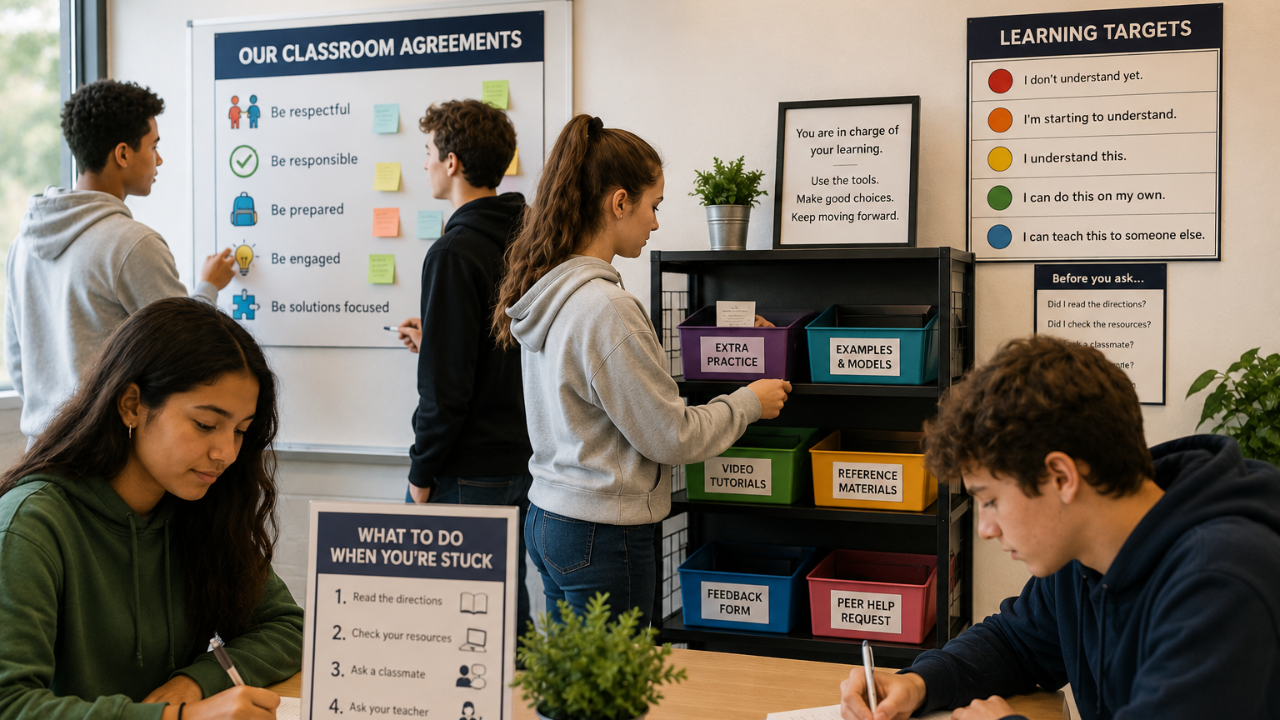
Every teacher has had one of those days. The first student asks, "What do I do when I'm finished?" A few minutes later someone else raises a hand. "Can you help me?" Then comes, "Is this enough?" "Wha...

Most teachers want students to “take ownership” of their learning. It is one of those phrases that sounds right as soon as we say it. We want learners to set goals, use feedback, make good choices, a...

How often does a teacher leave a professional development session with a page of notes and several worthwhile ideas, only to return to a classroom where the immediate demands of the day crowd out ever...

Why are we doing this?
The age-old question that is anything but music to the ears of a teacher. While this inquiry from students may become white noise in the classroom setting, it does unearth a po...

Most teachers have taught students who do the work without ever seeming convinced that the work has much to do with them. They complete the assignment, answer the questions, and may even earn a score ...

Most teachers care deeply about their students. The challenge is making sure every student experiences that care. The student who readily talks with the teacher may receive frequent signs that they ar...

Most teachers know that students learn best when they feel safe, supported, and respected. But belonging and esteem ask us to go one step further.
A student may feel physically safe in a classroom an...

Every teacher has at least one classroom procedure that never seems to stick.
No matter how many times you've explained it, someone still asks what to do when they're finished. Another student heads ...
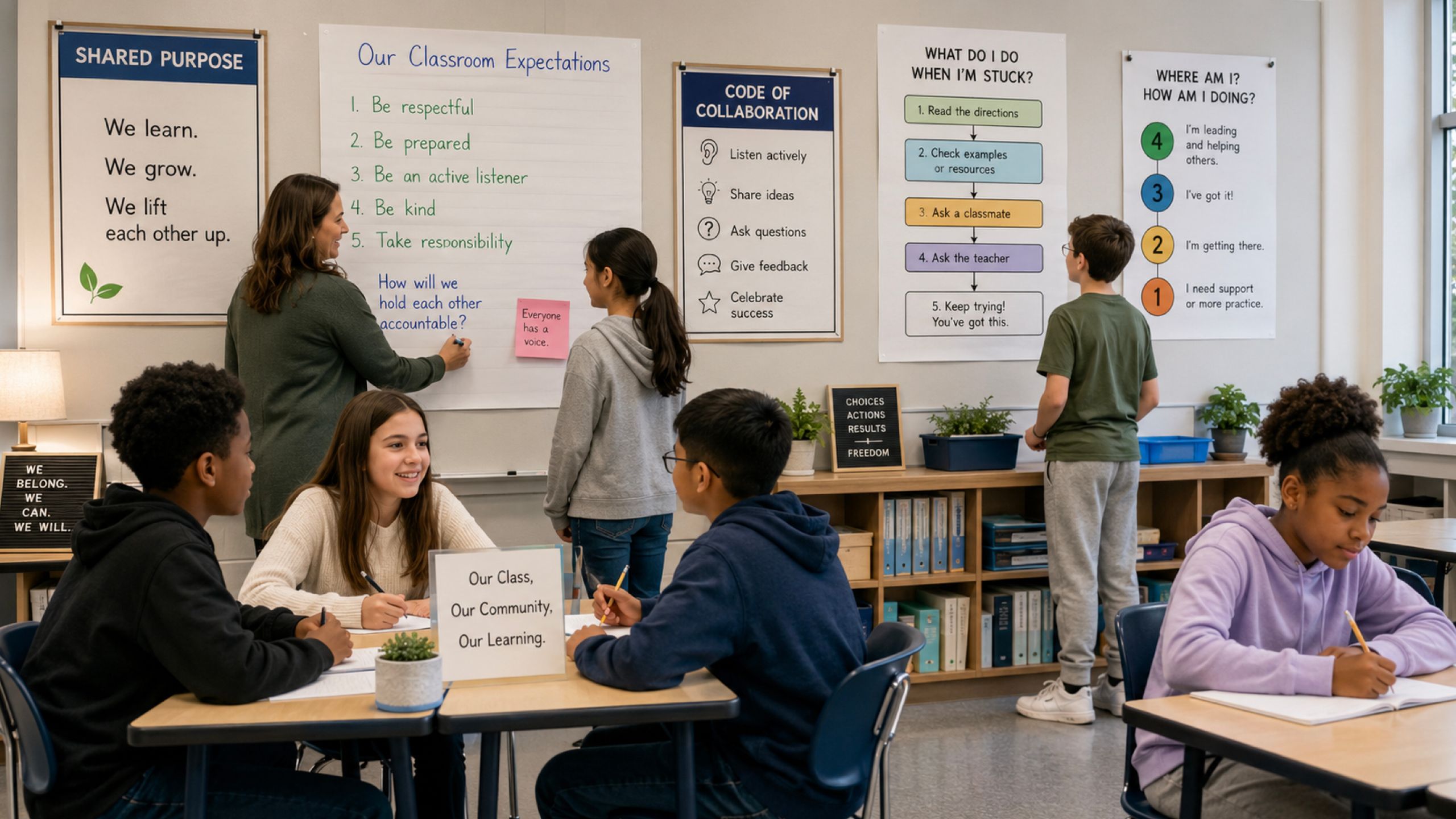
Most teachers know what it feels like when the classroom is technically functioning but still not working as well as it should. Students may be busy, but too much of the teacher’s energy is spent answ...
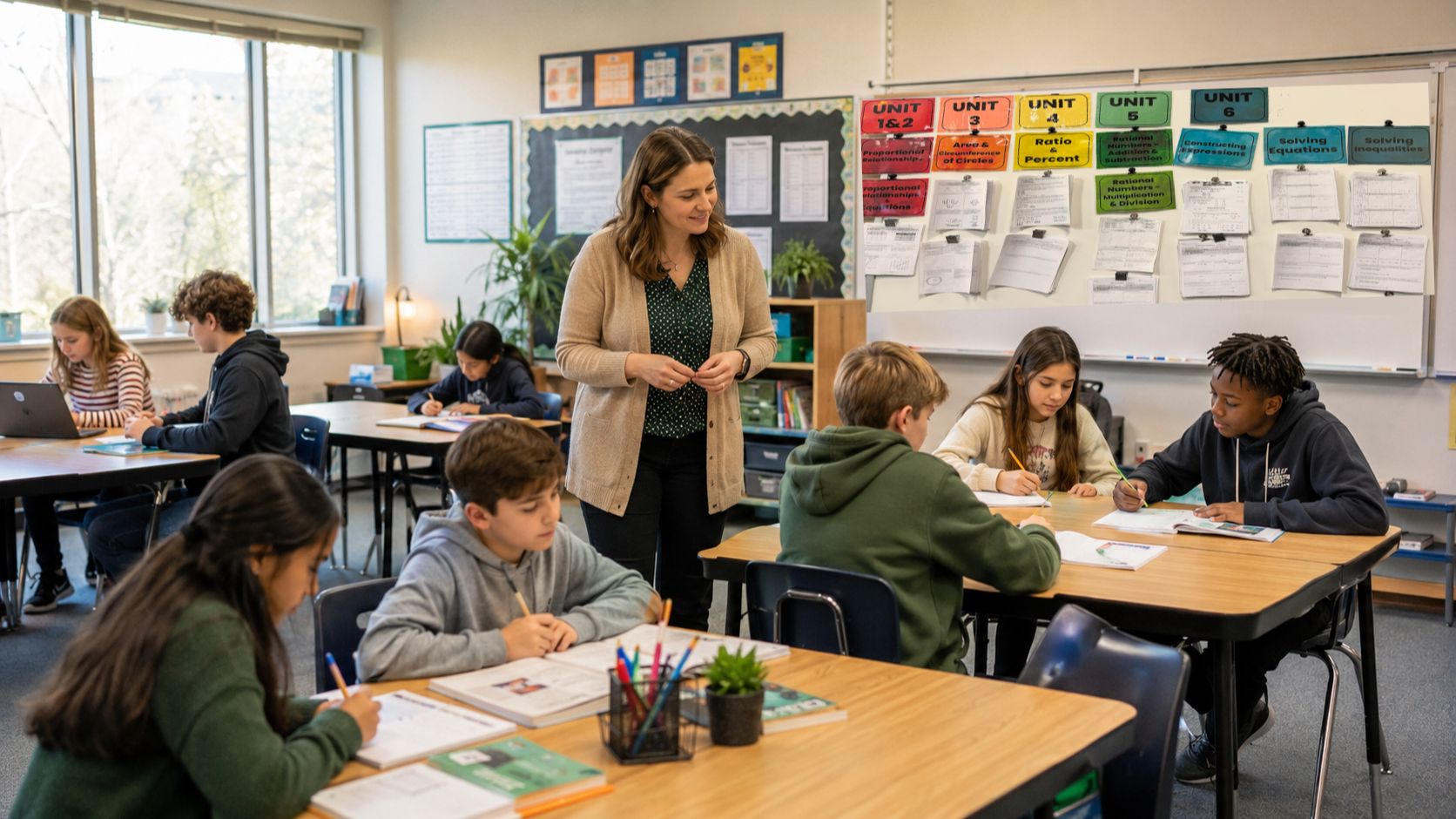
Teachers often recognize when the classroom environment is beginning to work against learning. It may not be dramatic. Students are not necessarily misbehaving in obvious ways. They are not refusing t...

Most teachers have experienced a lesson that appears to be going well but still feels a little flat.
Students are completing the work, but very few are asking questions. Directions are being followed...

Ready to Control Your Professional Development:
Subscribe for full access to all the resources within the Learning Hub powered by Marzano Academies
Subscribe NowTHE LEARNING HUB NEWS SOURCES
Want to stay informed about competency-based practices?
Have the Learning Hub Newsletter and Monthly Podcast delivered directly to your inbox.
You're safe with me. I'll never spam you or sell your contact info.